Eco-Friendly Multiunit Developments: A Sustainable Future for Housing
The Rise of Sustainable Multiunit Developments
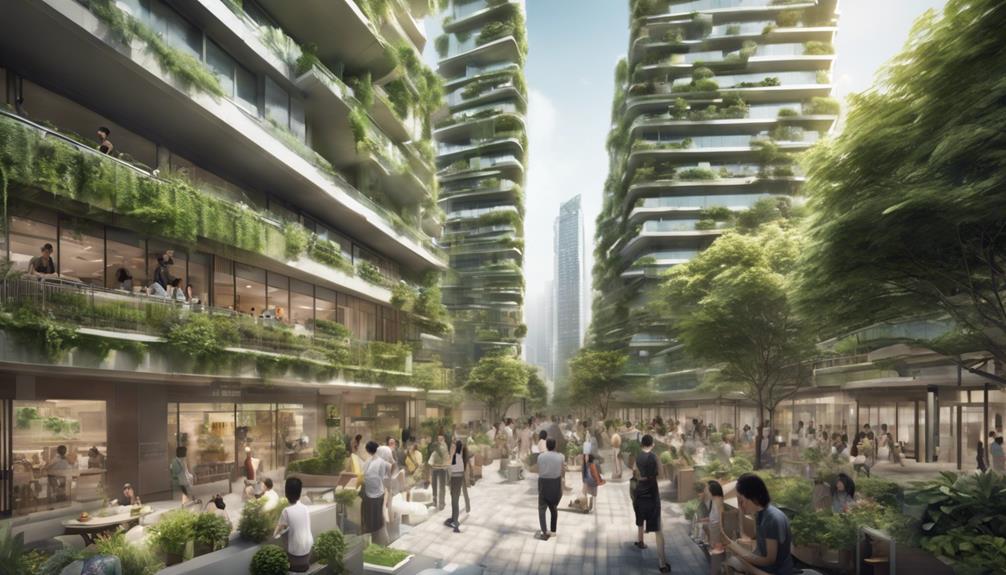
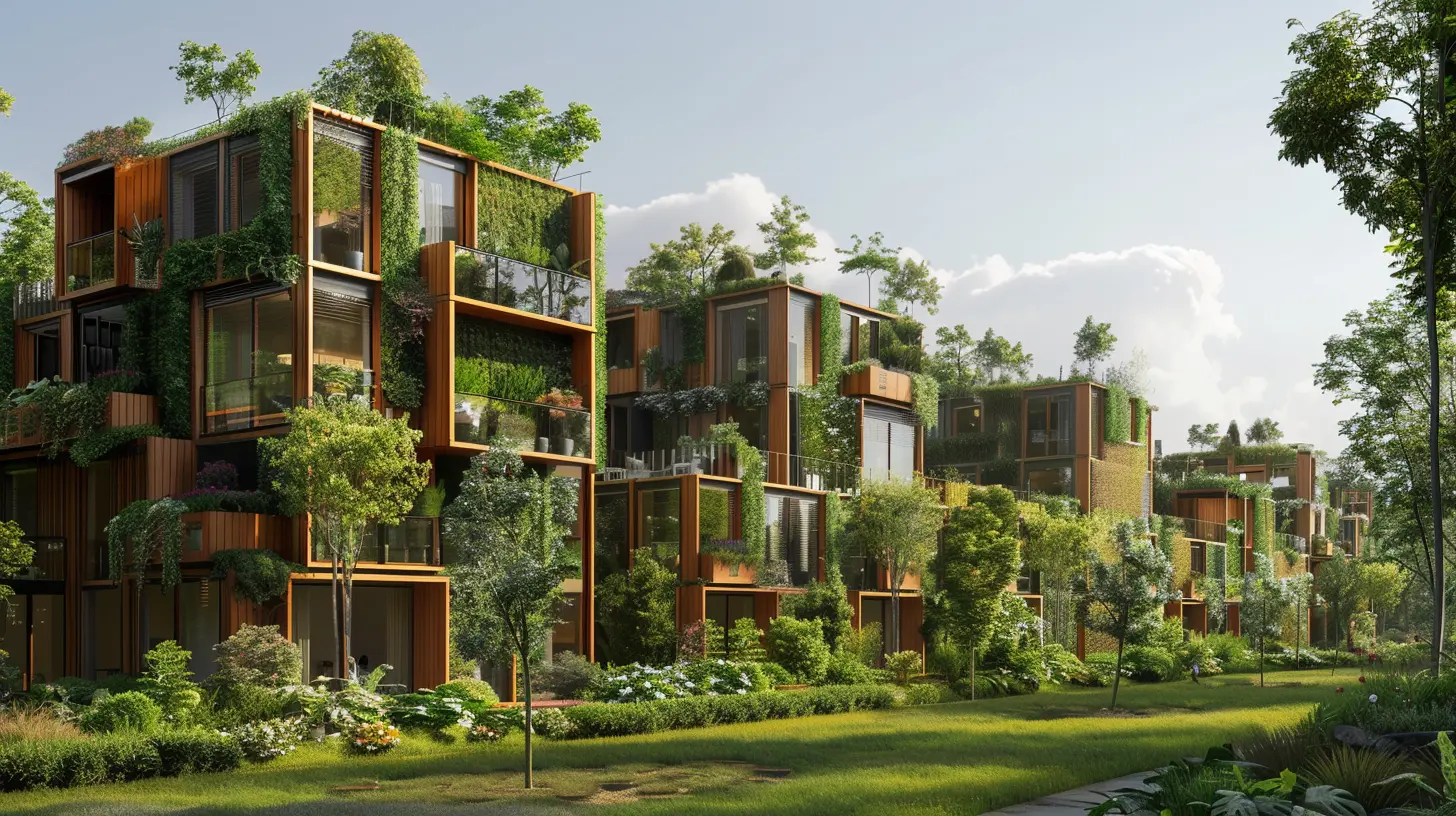
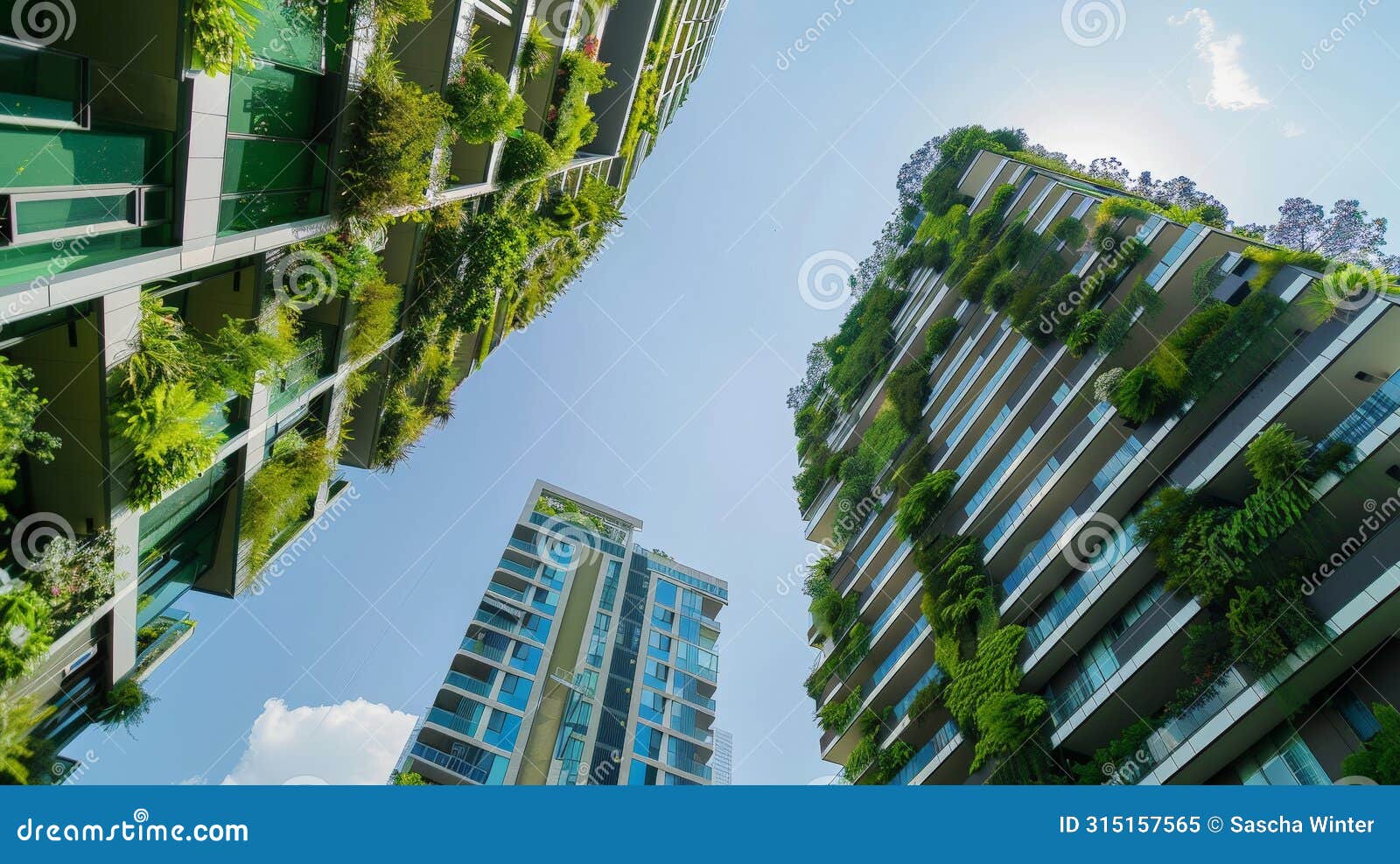
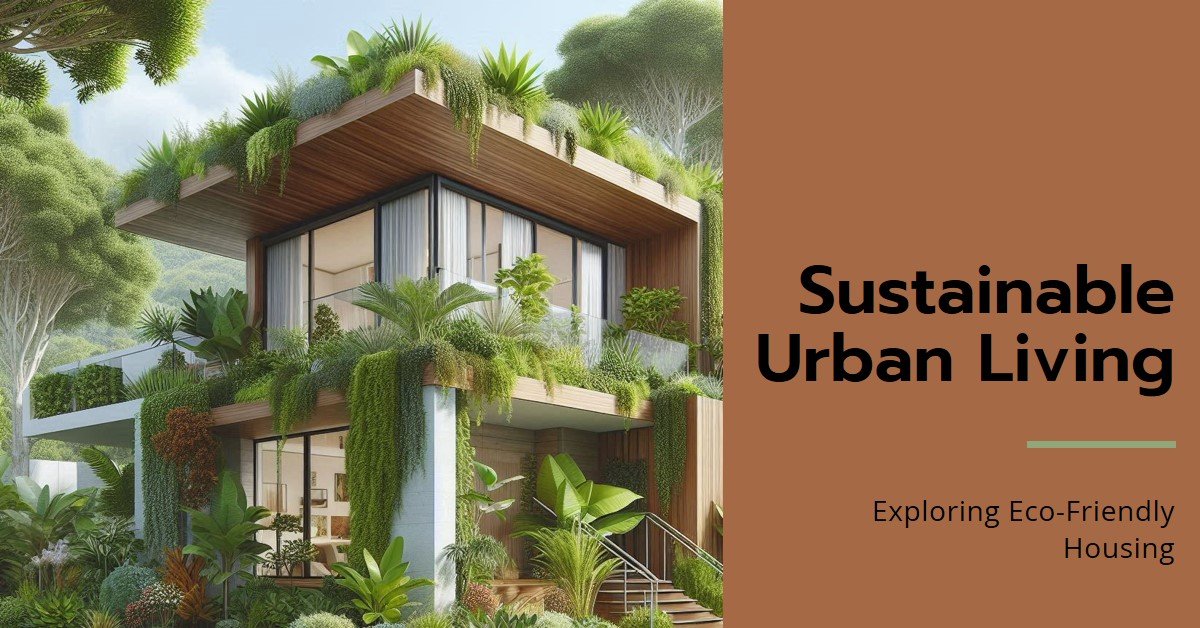
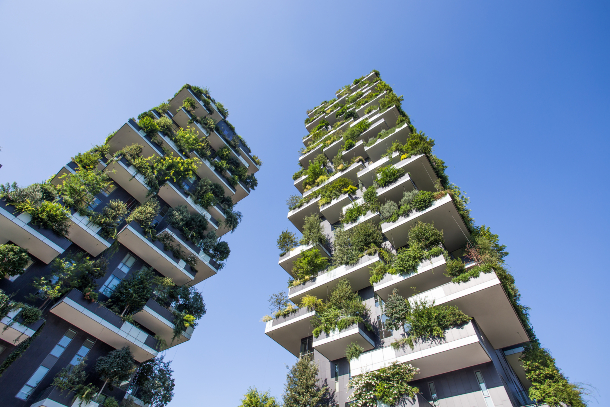
In recent years, there has been a growing trend towards sustainable and eco-friendly living. This shift is not limited to private single-family homes, but also extends to multiunit developments. These buildings, which can range from duplexes to high-rise apartments, offer a unique opportunity to implement sustainable design principles and practices that benefit both the environment and residents. As demand for sustainable housing continues to rise, developers are increasingly looking to incorporate eco-friendly features into their multiunit developments.The Benefits of Eco-Friendly Multiunit Developments
Eco-friendly multiunit developments offer a range of benefits, including reduced environmental impact, lower operating costs, and increased resident satisfaction. Some of the key advantages of these developments include:- Reduced carbon footprint: Eco-friendly developments incorporate energy-efficient systems, green building materials, and renewable energy sources to minimize their carbon footprint.
- Lower operating costs: By reducing energy consumption and implementing water-conserving measures, eco-friendly developments can lower operating costs and increase resident savings.
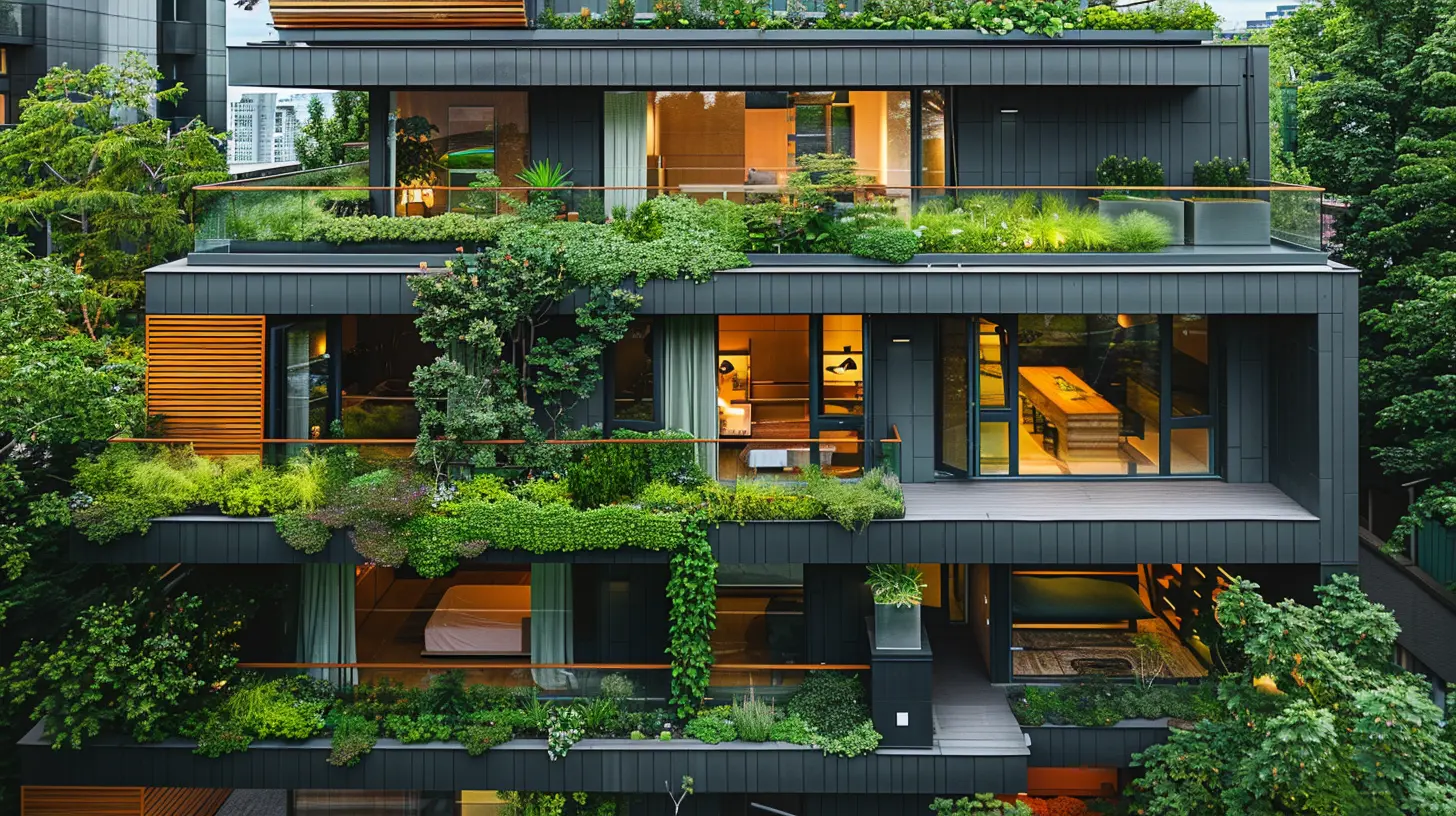
- Increased resident satisfaction: Residents of eco-friendly developments often report higher levels of satisfaction due to the improved air quality, natural lighting, and outdoor spaces.
- Market appeal: Eco-friendly developments can increase market appeal and attract residents who prioritize sustainability and environmental responsibility.

Eco-Friendly Materials and Construction Methods
Selecting eco-friendly materials is a fundamental aspect of sustainable multi-family construction. Builders should prioritize materials that are renewable, recycled, or sustainably sourced to minimize environmental impact. Some examples of eco-friendly materials include:- Bamboo flooring: A highly renewable and sustainable alternative to traditional hardwood flooring.
- Low-VOC paint: Paints with low volatile organic compounds (VOCs) reduce indoor air pollution and promote healthier living spaces.
- Recycled glass countertops: Made from recycled glass, these countertops reduce waste and offer a durable, low-maintenance surface.
- Sustainably sourced wood: Look for wood products certified by organizations such as the Forest Stewardship Council (FSC) to ensure responsible forestry practices.
Net Zero Residential Developments
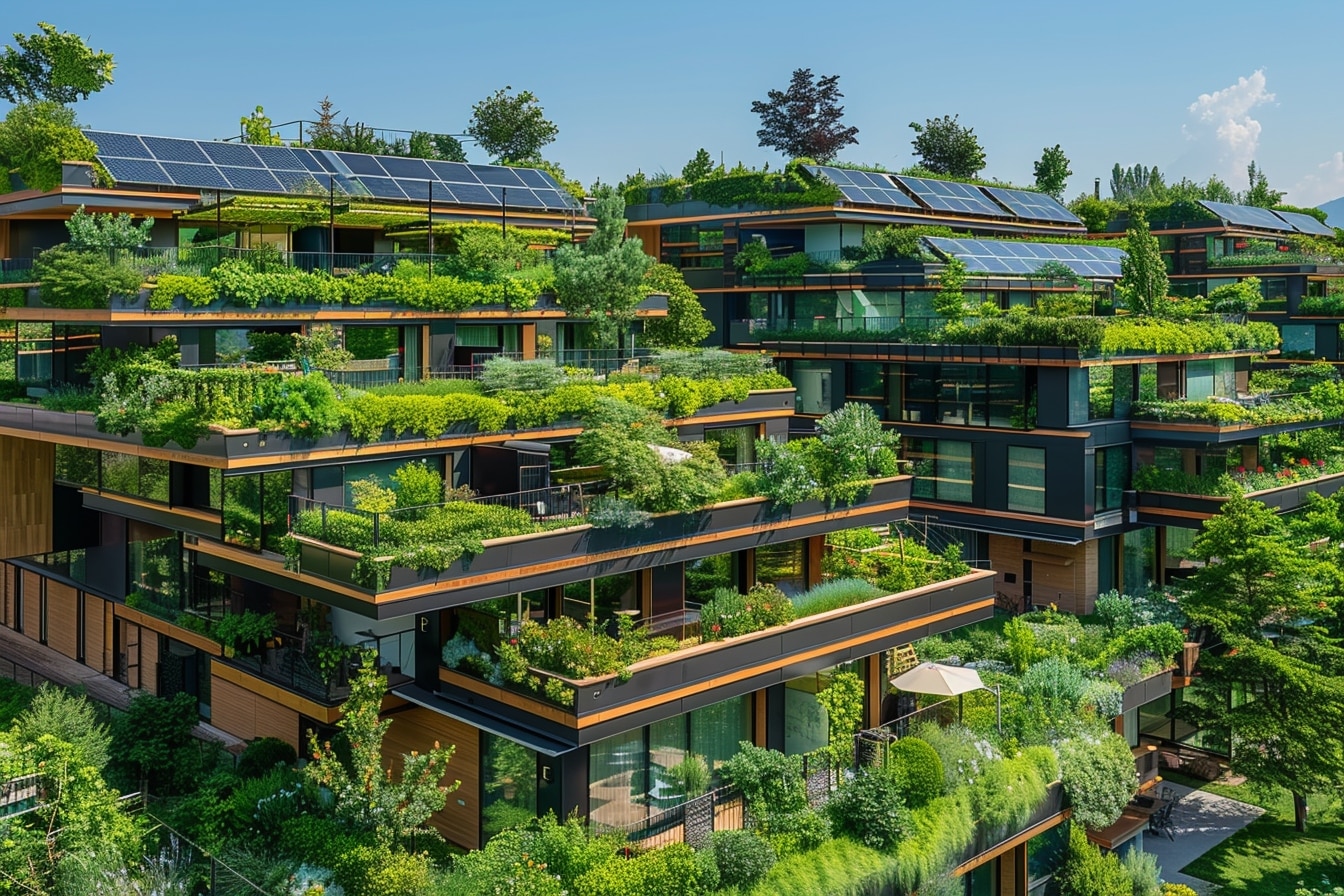
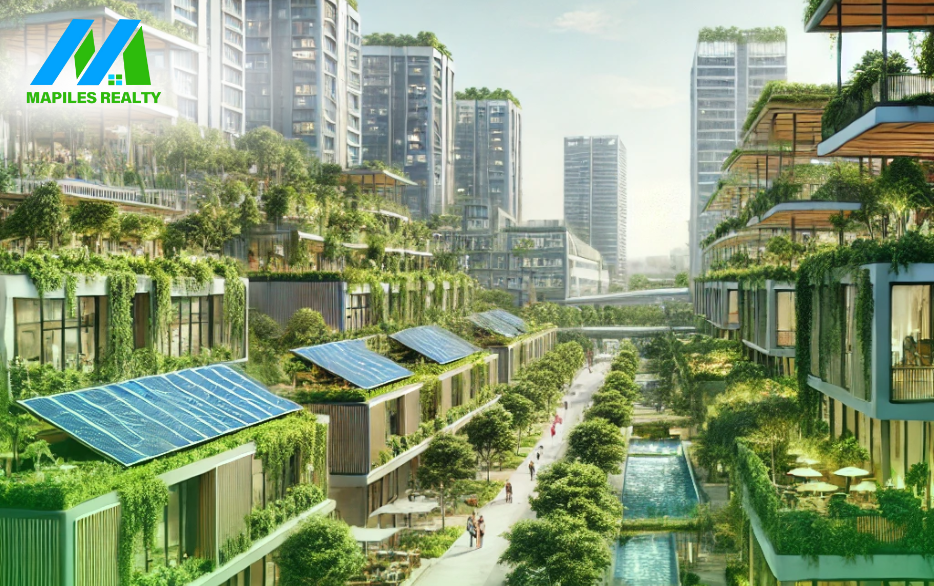
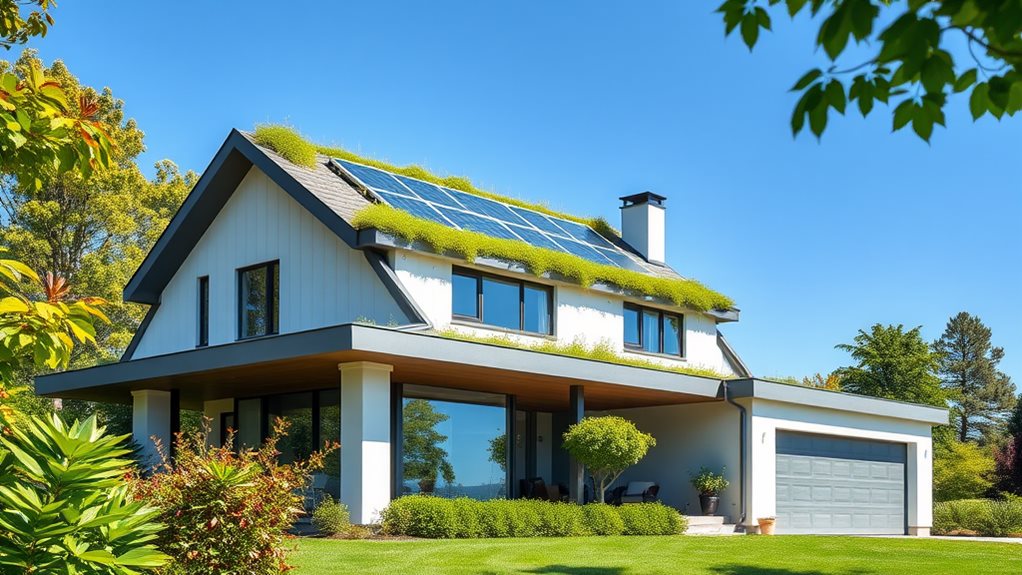
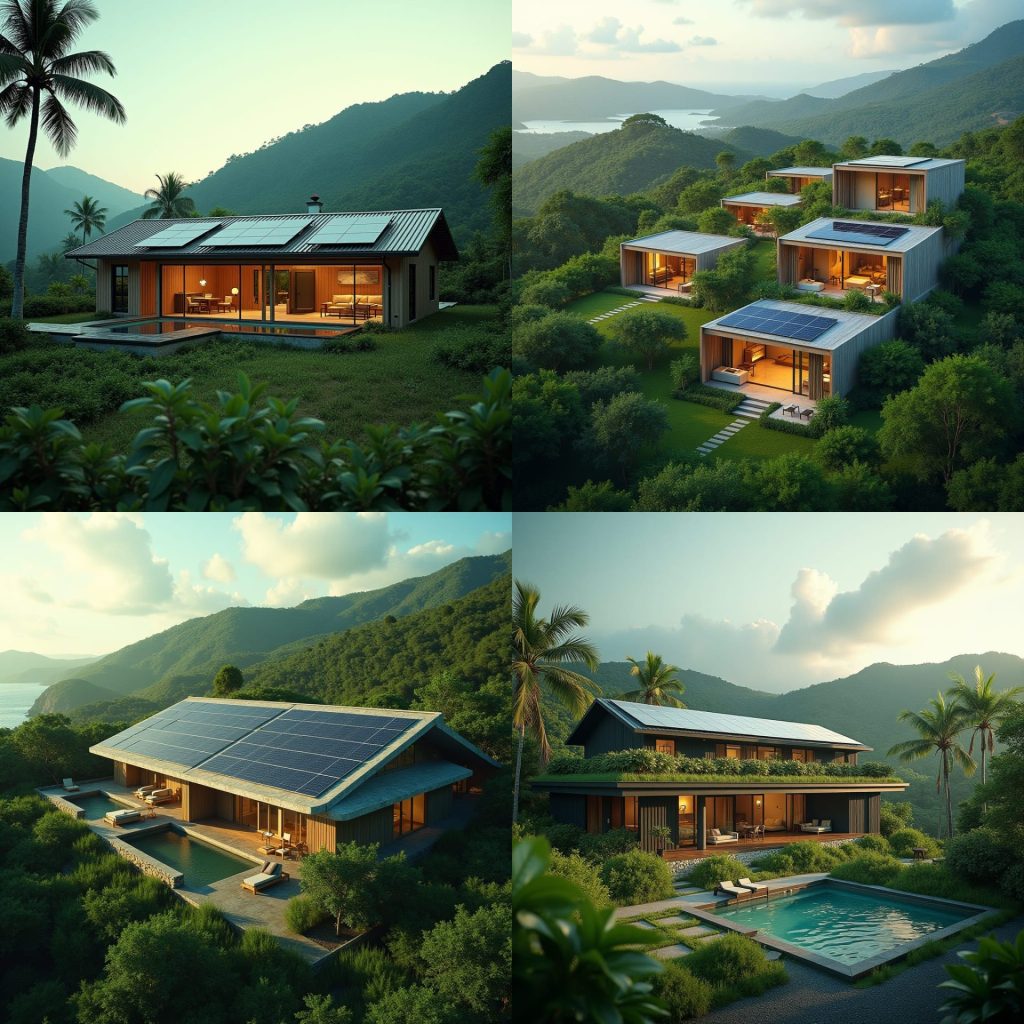
- Solar-powered buildings: Integrated solar panels generate electricity and reduce dependence on the grid.
- Wind turbines: On-site wind turbines can provide a significant source of renewable energy.
- Geothermal systems: Ground-source heat pumps harness the natural temperature of the earth to provide heating and cooling.