Restoring Old Textured Walls in Apartments: A Comprehensive Guide
The Importance of Texture in Walls
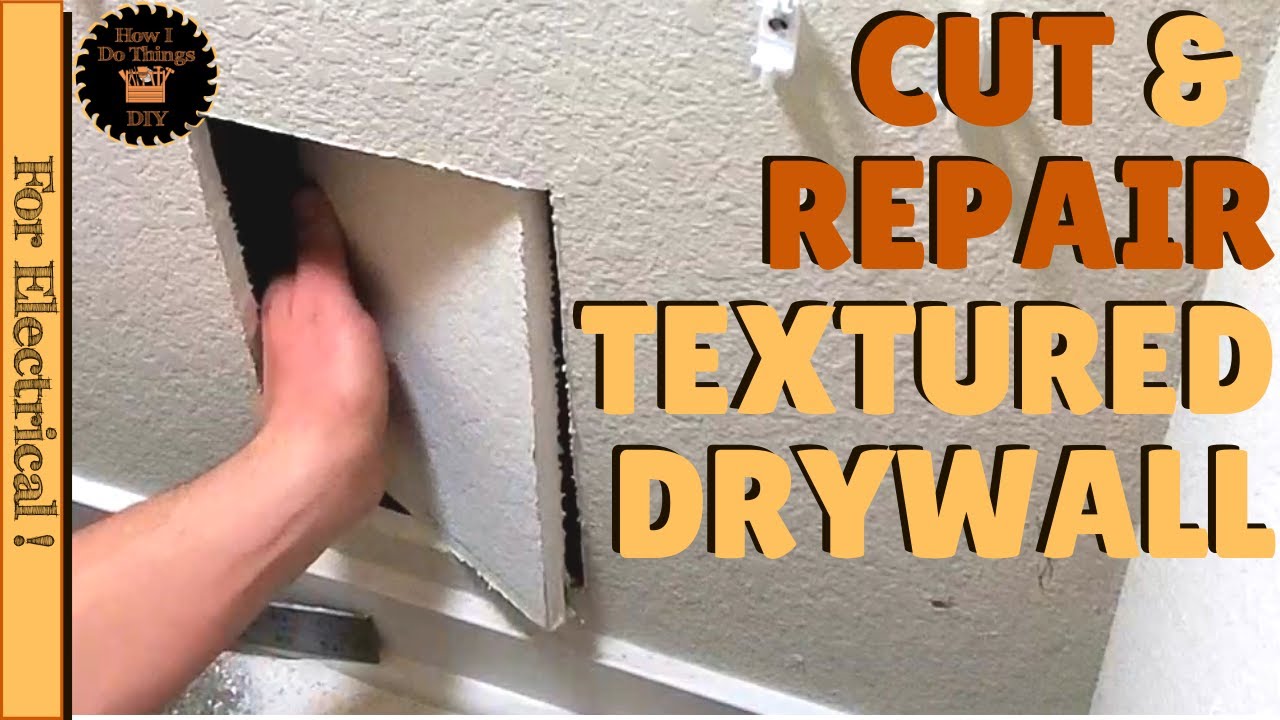
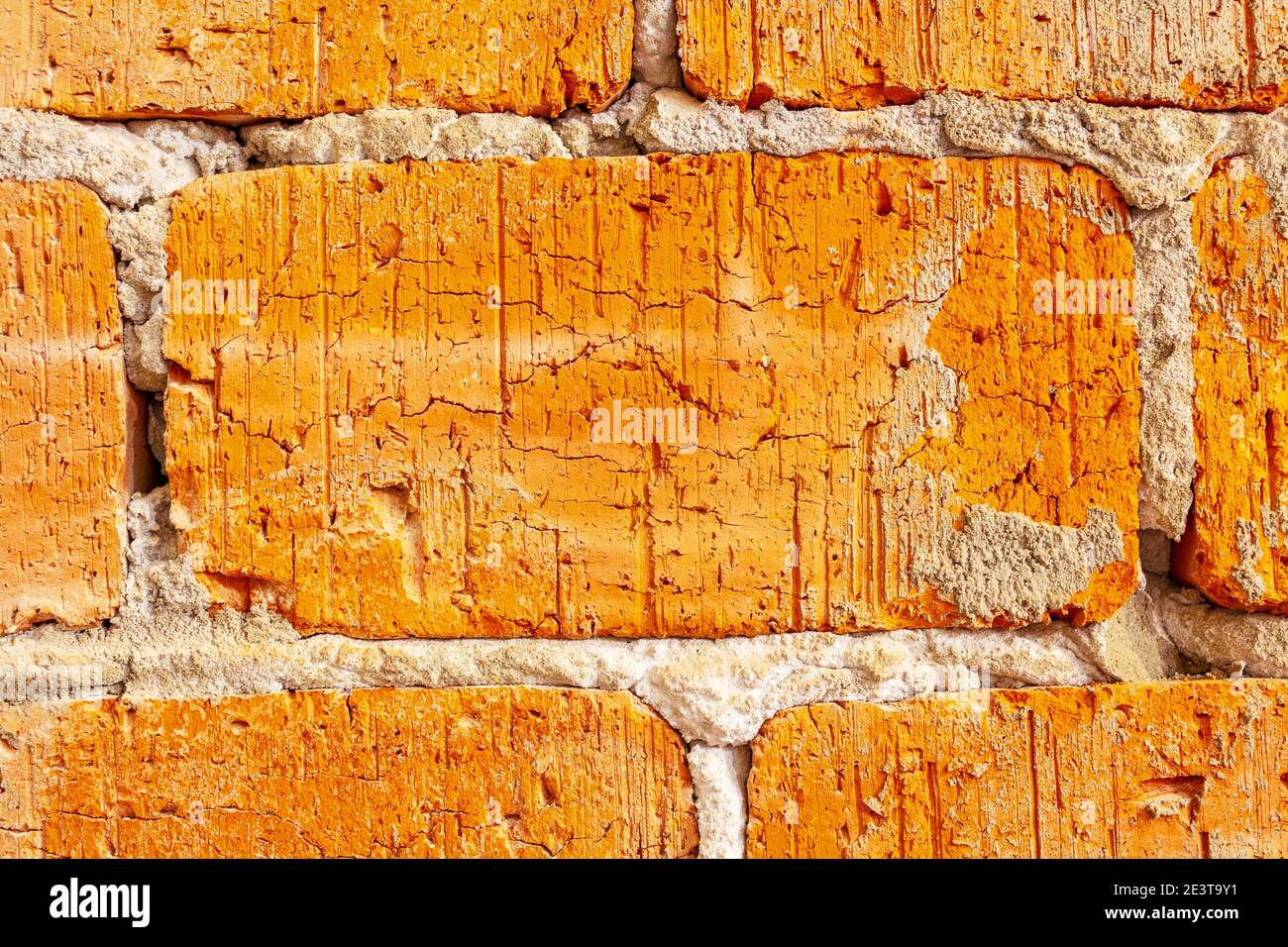
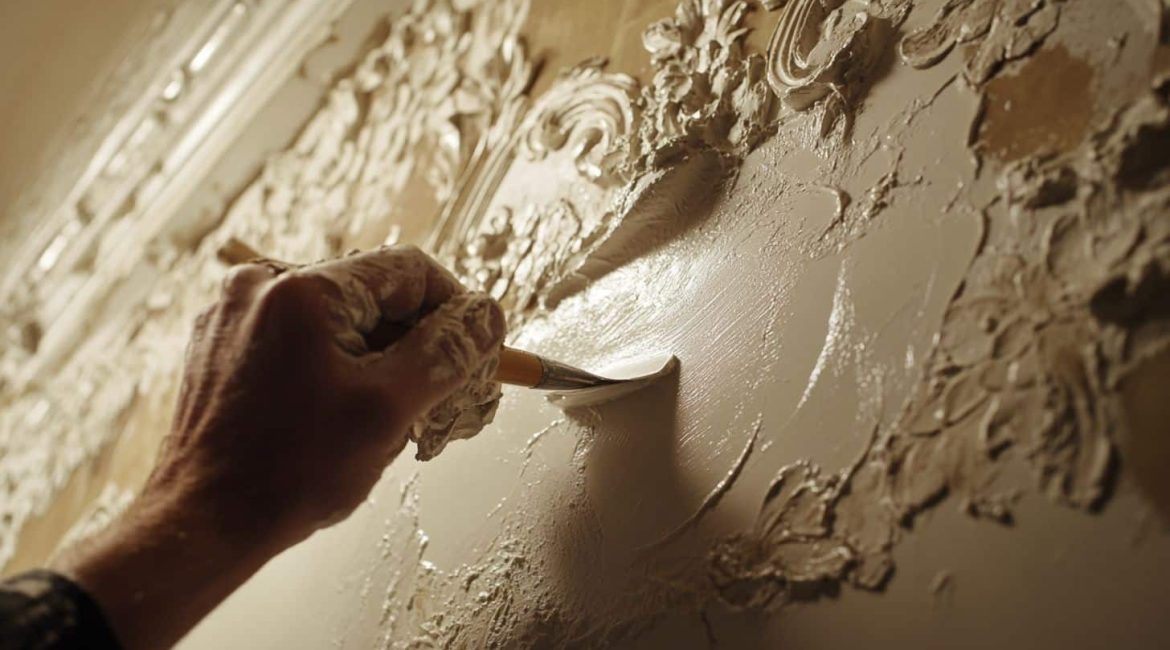
Textured walls have been a staple in residential projects for decades. They not only hide imperfections in the drywall job but also add a unique aesthetic appeal to a room. However, over time, the texture can wear off, exposing the underlying imperfections. Restoring the texture is crucial to maintaining the appearance and integrity of the walls.
Choosing the Right Materials
To restore old textured walls, you'll need the following materials:
- Textured paint or joint compound
- Spreader or putty knife
- Sandpaper (various grits)
- Paintbrush or roller
- Primer (optional)

Step 1: Prepare the Walls
The first step in restoring old textured walls is to clean the surface thoroughly. Remove any dirt, grime, or old paint using a mild detergent and water. Let the walls dry completely before proceeding.
Step 2: Assess the Damage
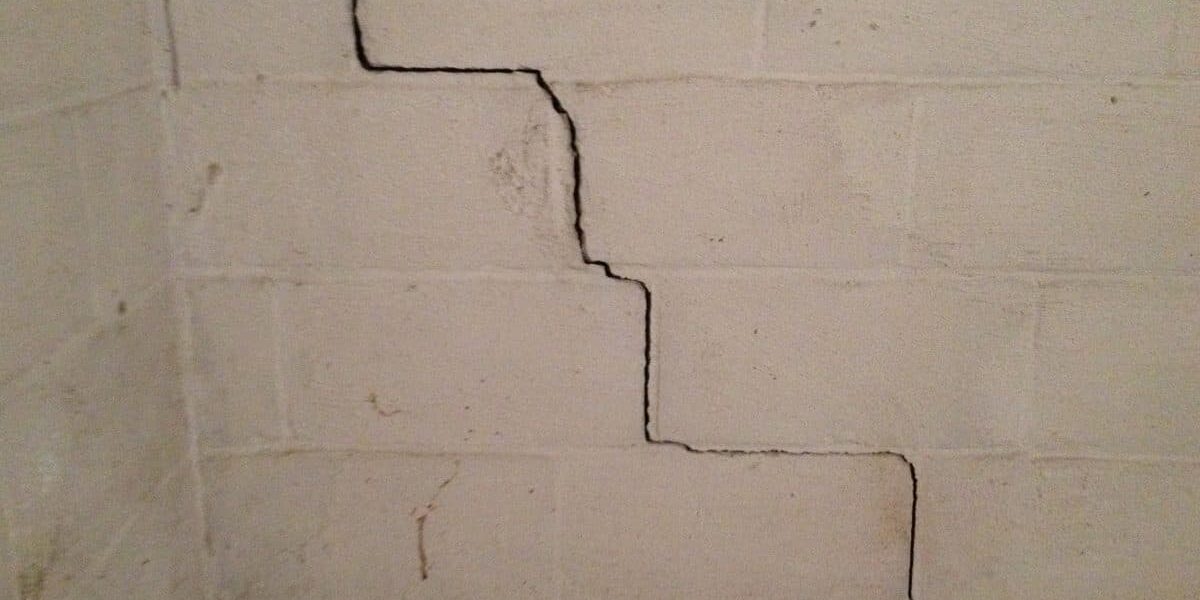
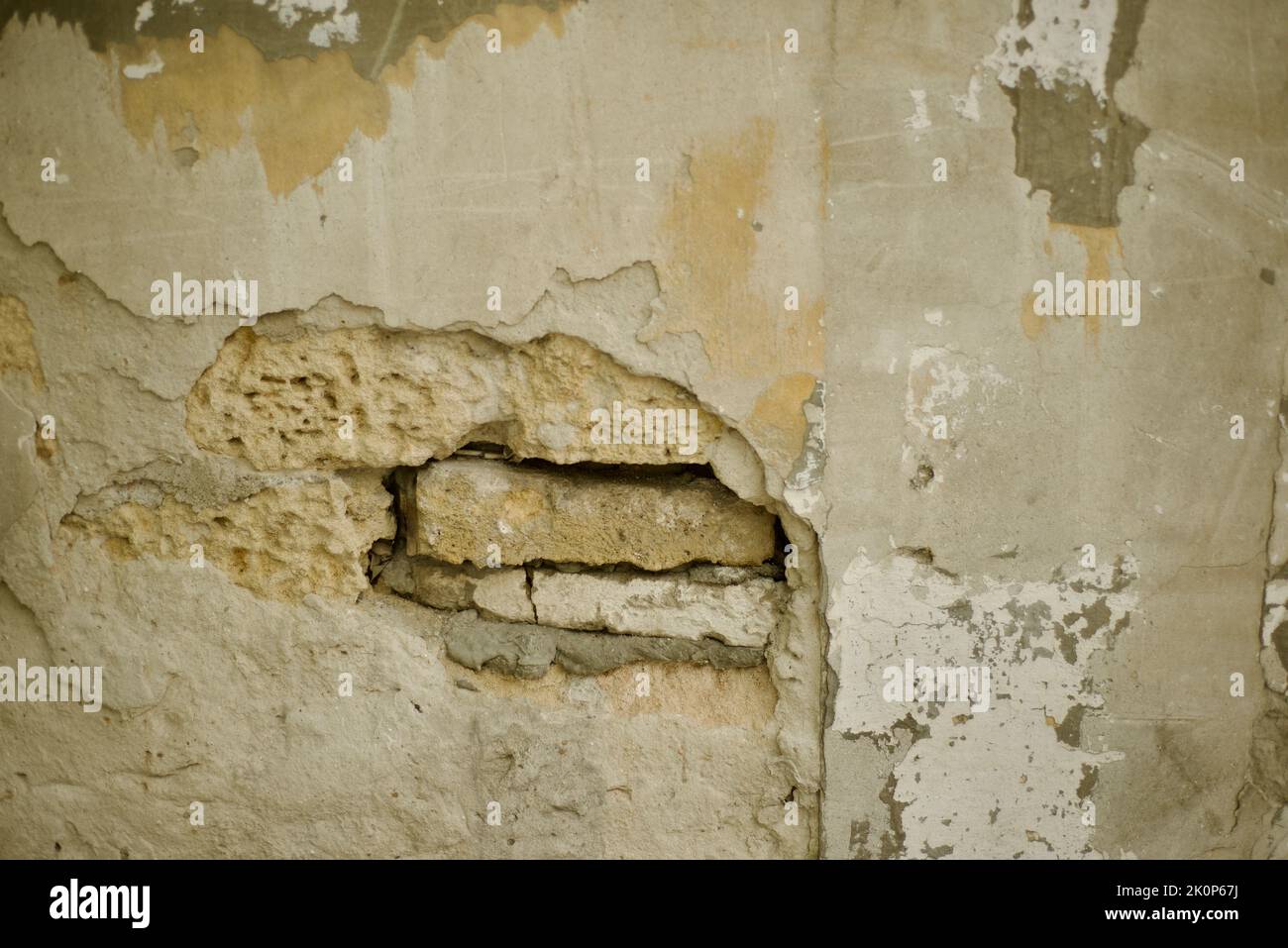
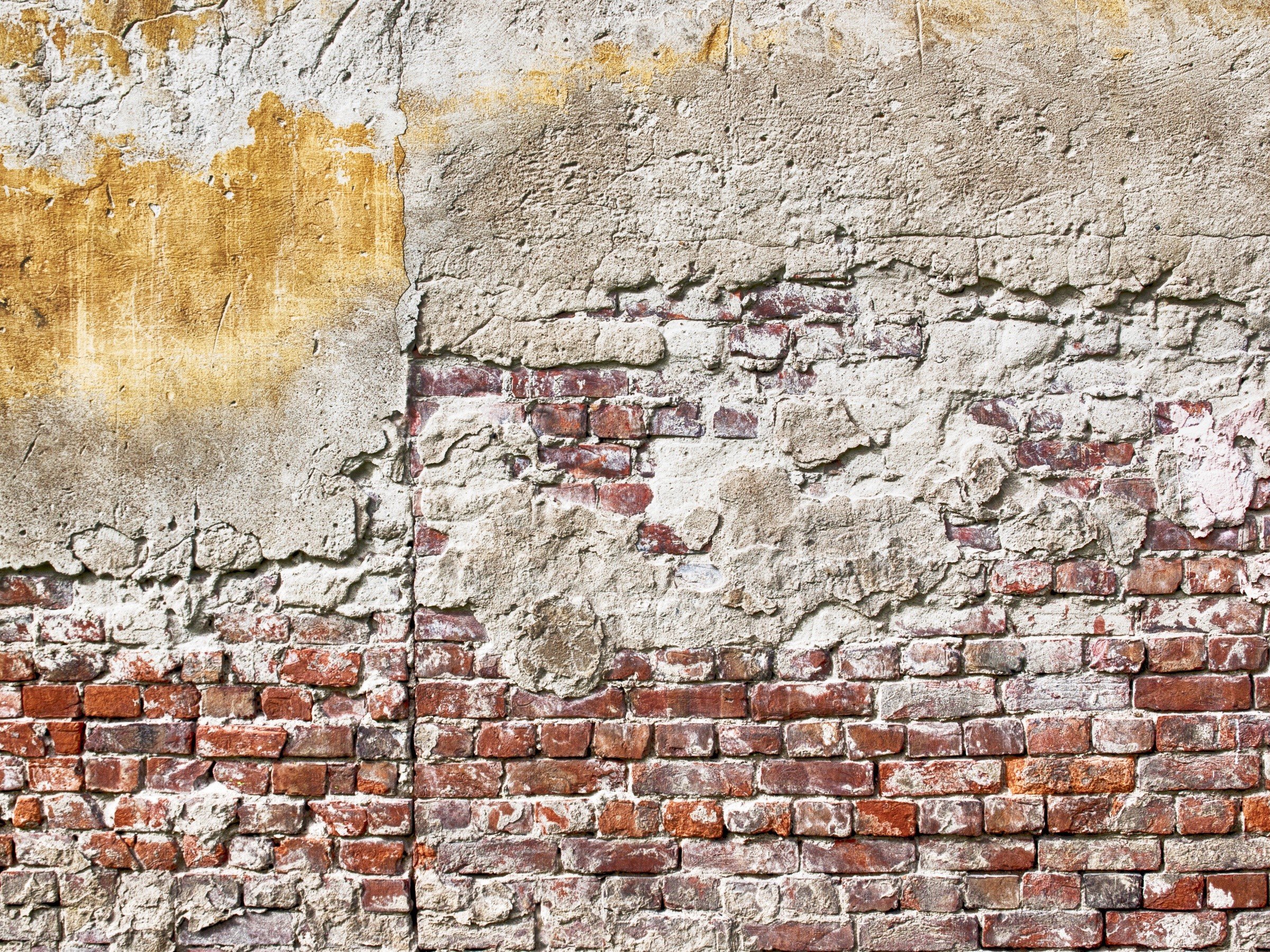
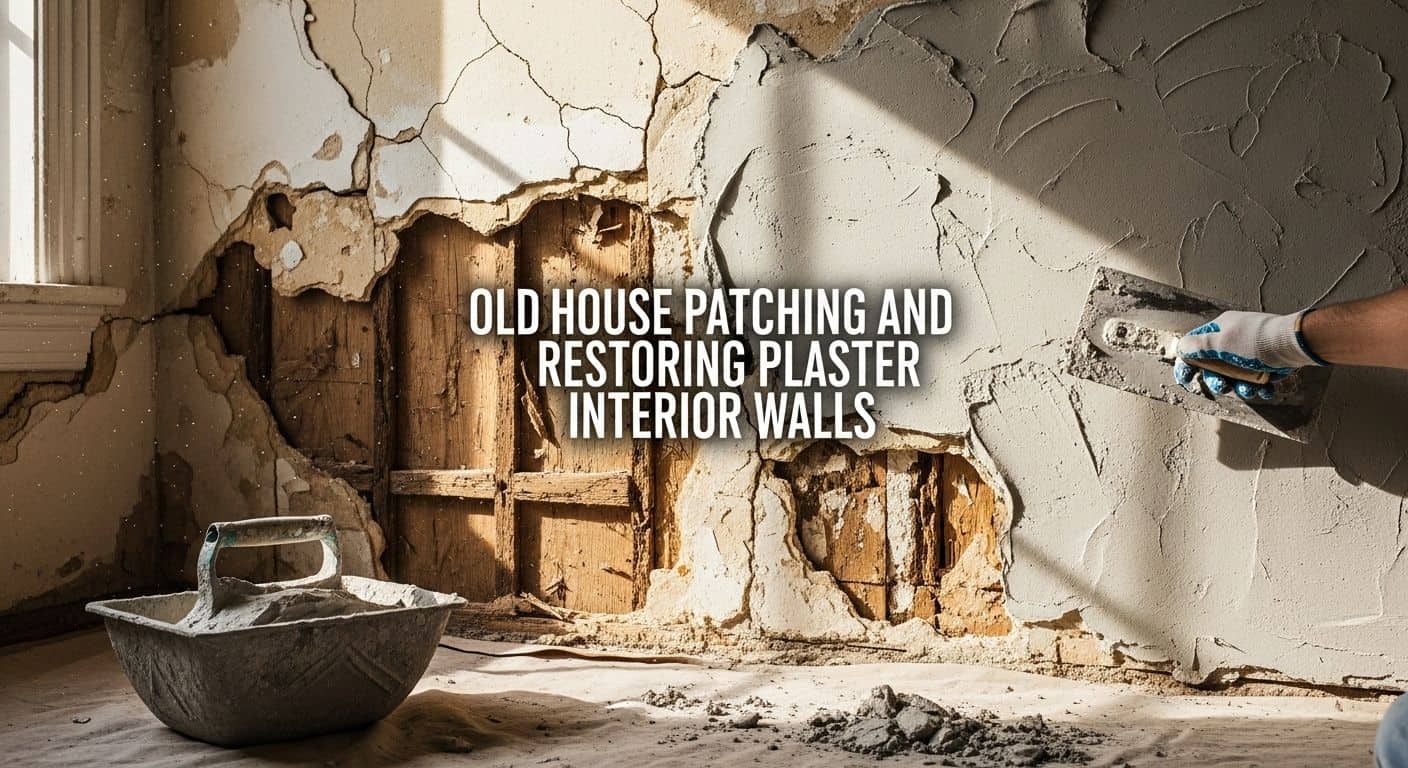
Examine the walls for any cracks, holes, or unevenness. This will help you determine the extent of the restoration needed. If the damage is extensive, you may need to apply multiple coats of joint compound to achieve the desired texture.
Step 3: Apply Joint Compound
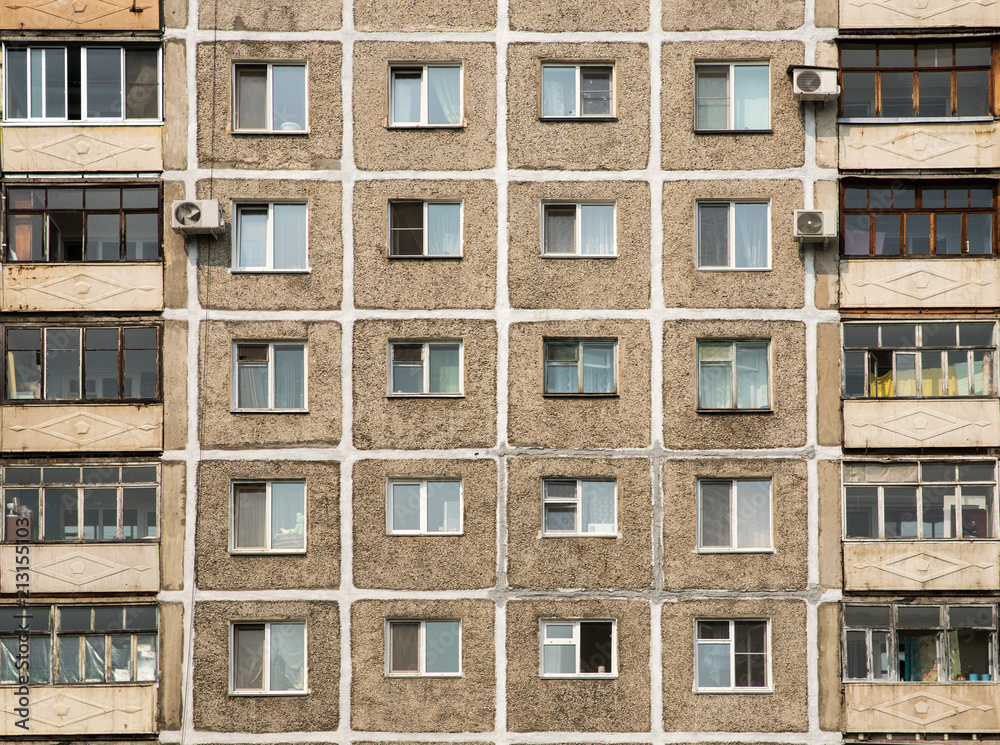
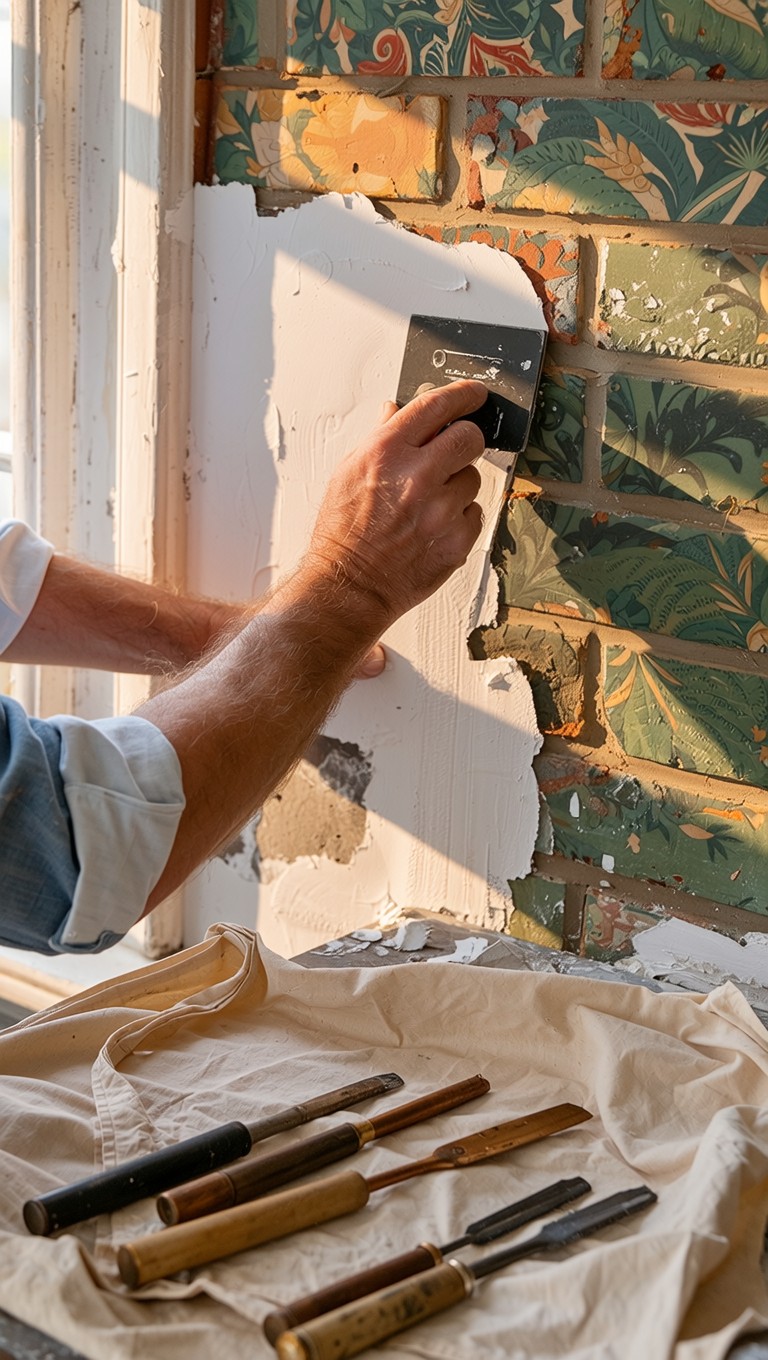
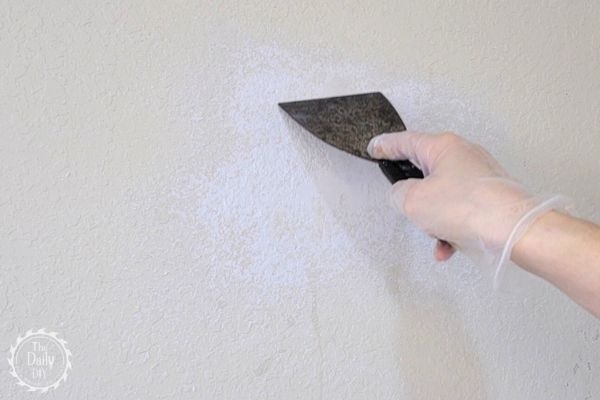
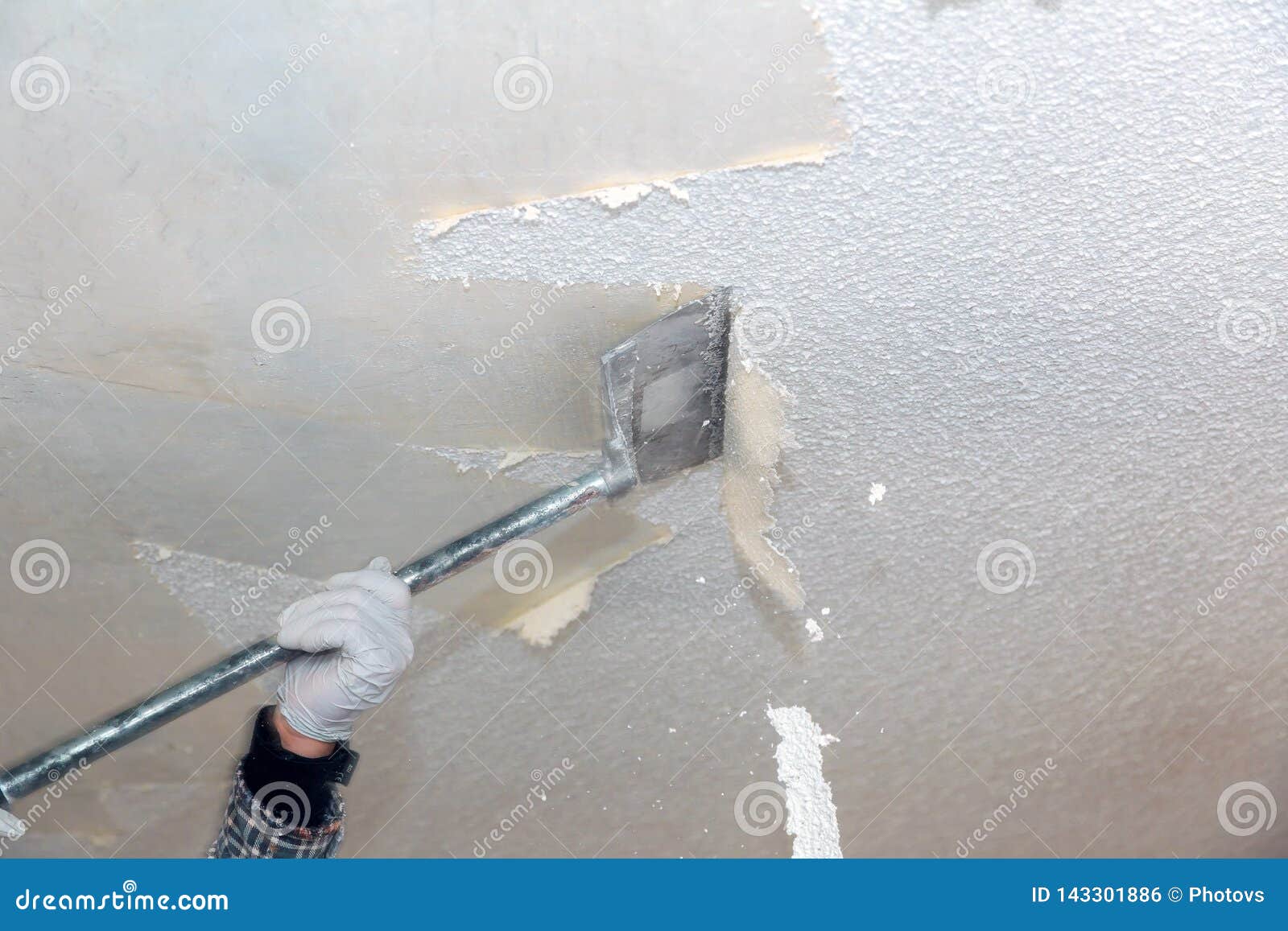
Using a spreader or putty knife, apply a thin layer of joint compound to the affected area. Make sure to fill any cracks or holes completely. Allow the compound to dry according to the manufacturer's instructions.
Step 4: Sand the Walls
Using a sandpaper with a medium grit, smooth out the compound, feathering it out towards the edges. This will help create a seamless blend with the surrounding area. Once you've sanded the entire wall, use a finer grit sandpaper to achieve a smooth finish.
Step 5: Apply Textured Paint or Compound
Using a spreader or putty knife, apply a thin layer of textured paint or joint compound to the wall. Work in small sections, applying the compound in a circular motion. Allow the compound to dry according to the manufacturer's instructions.
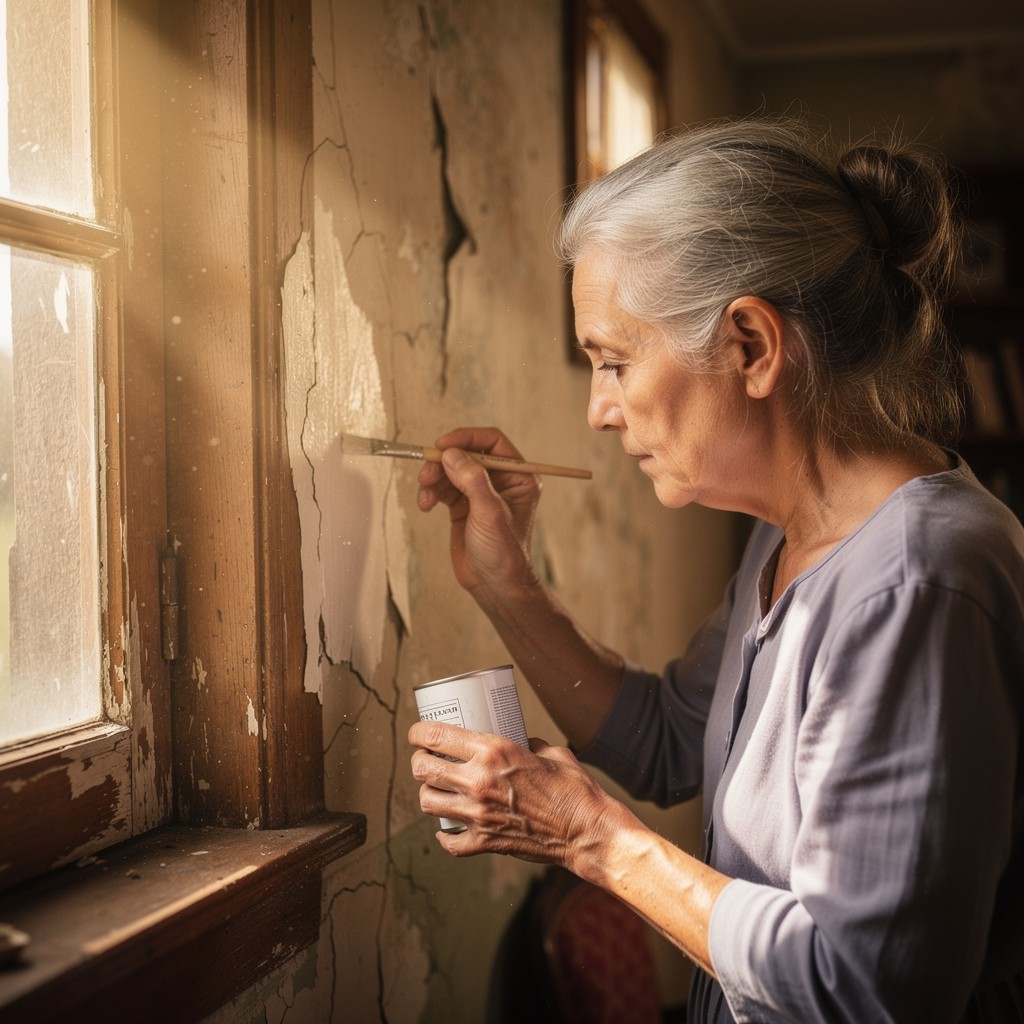
Step 6: Finish with Primer and Paint
Once the textured paint or compound has dried, apply a primer to the entire wall. This will help the paint adhere and create a uniform color. Finally, paint the wall with your desired color and finish.
Additional Tips and Considerations
- When working with textured walls, it's essential to maintain a consistent texture throughout the wall. This can be achieved by applying multiple coats of joint compound or textured paint.
- To avoid further damage, it's crucial to address any underlying issues, such as framing imperfections or unevenness in the drywall.
- Restoring old textured walls can be a time-consuming process. Be patient and work in small sections to achieve the desired results.
Restoring old textured walls in apartments requires patience, dedication, and the right materials. By following these step-by-step guidelines, you can achieve a seamless and polished finish that will enhance the appearance and integrity of your walls. Remember to take your time, and don't hesitate to seek professional help if needed.